

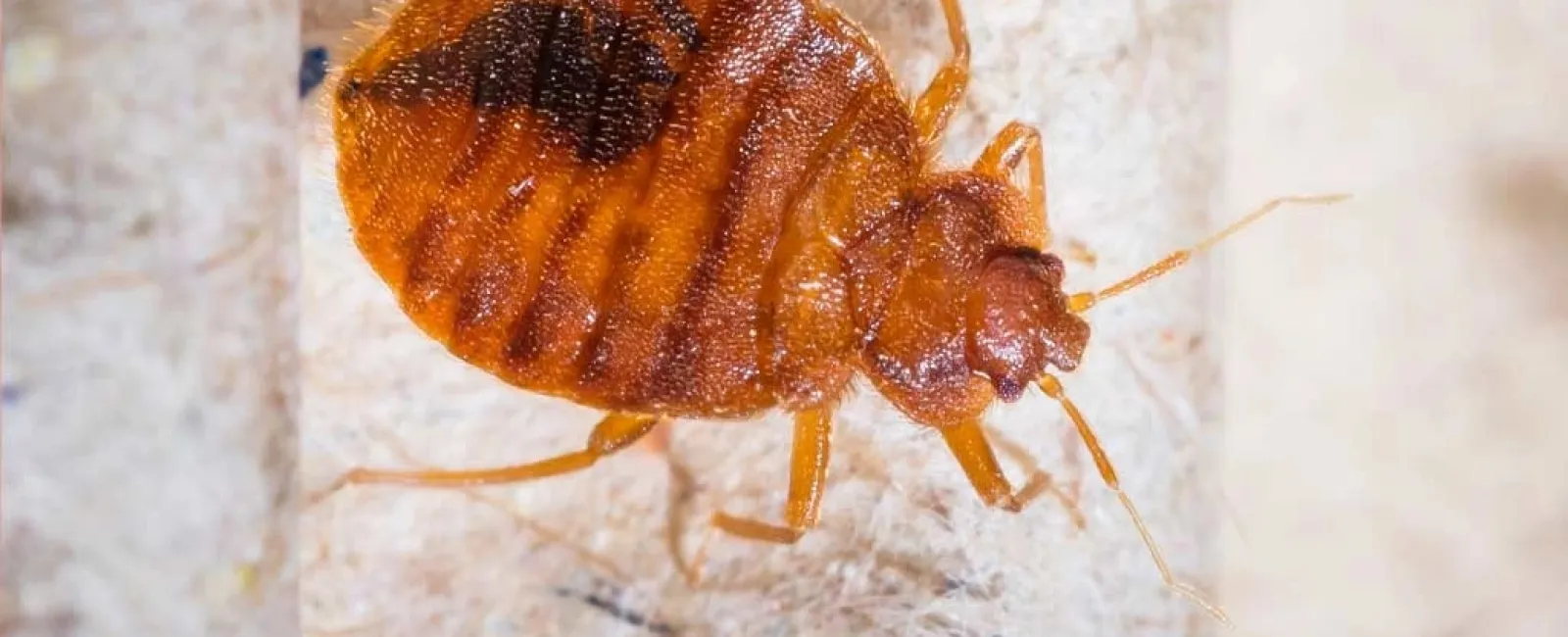
Understanding how fast bed bugs can spread, and the best ways to stop them is essential for effective control. Learning how to get rid of bed bugs and choosing the right bed bug treatment can be a real headache for homeowners and property managers alike. Bed bugs can spread in several ways, including reproduction, travel, and hitchhiking.
Bed Bug Reproduction Rate
One of the biggest reasons bed bug infestations spread so quickly is their prolific reproduction. A single female bed bug can lay between 1 and 5 eggs per day, adding up to as many as 500 eggs over her lifetime. As new bed bugs hatch and mature, the population expands rapidly, increasing the chances that some will venture out in search of new hosts and hiding spots.
In addition, bed bugs reproduce through a process known as traumatic insemination, where the male punctures the female's abdomen. To survive, many females leave the original nesting area and move elsewhere to lay eggs, often establishing entirely new infestations. This biological drive is one reason why infestations can spread between rooms, apartments, or even buildings.
Why Bed Bugs Move
Bed bugs are incredibly efficient pests. Once they find a suitable hiding place, like a crack in a bed frame or behind a headboard, they tend to stay close to their food source. However, a bed bug may decide to move or spread when:
Conditions become uncomfortable
Population pressure forces it out
A host is lost or relocated
There's a loss of cover or protection
The bug experiences traumatic insemination
Understanding these triggers is key to knowing how to get rid of bed bugs and prevent them from spreading further.
How Fast Is a Bed Bug?
Bed bugs are surprisingly fast for their size. On most surfaces, a bed bug can crawl about 3 to 4 feet per minute or the equivalent of a human running at full speed when adjusted for body size. This agility helps them quickly find new hiding spots or hosts.
However, their real speed comes from hitchhiking. Bed bugs can travel vast distances by clinging to luggage, clothing, or furniture. A single bed bug hidden in a suitcase or shoe tread could travel across town or across the world in a matter of hours. This is why professional bed bug treatment often includes inspecting personal items and travel gear to stop the spread.
How Long Can Bed Bugs Survive Without a Host?
Another reason bed bugs are so difficult to eliminate is their ability to go almost dormant. Under ideal humidity and temperature conditions, a healthy bed bug can survive for up to a year without feeding. That means even vacant rooms or properties can still harbor hidden pests long after being vacated, making professional inspection and bed bug treatment critical.
Call Greenix Today for Effective Bed Bug Control!
If you suspect an infestation, don't wait. Greenix Pest Control offers fast, effective, and science-based bed bug treatment options designed to completely eliminate infestations and prevent them from returning. Whether you're looking for professional advice on how to get rid of bed bugs, expert inspections, or proven heat treatments, Greenix has you covered.
