

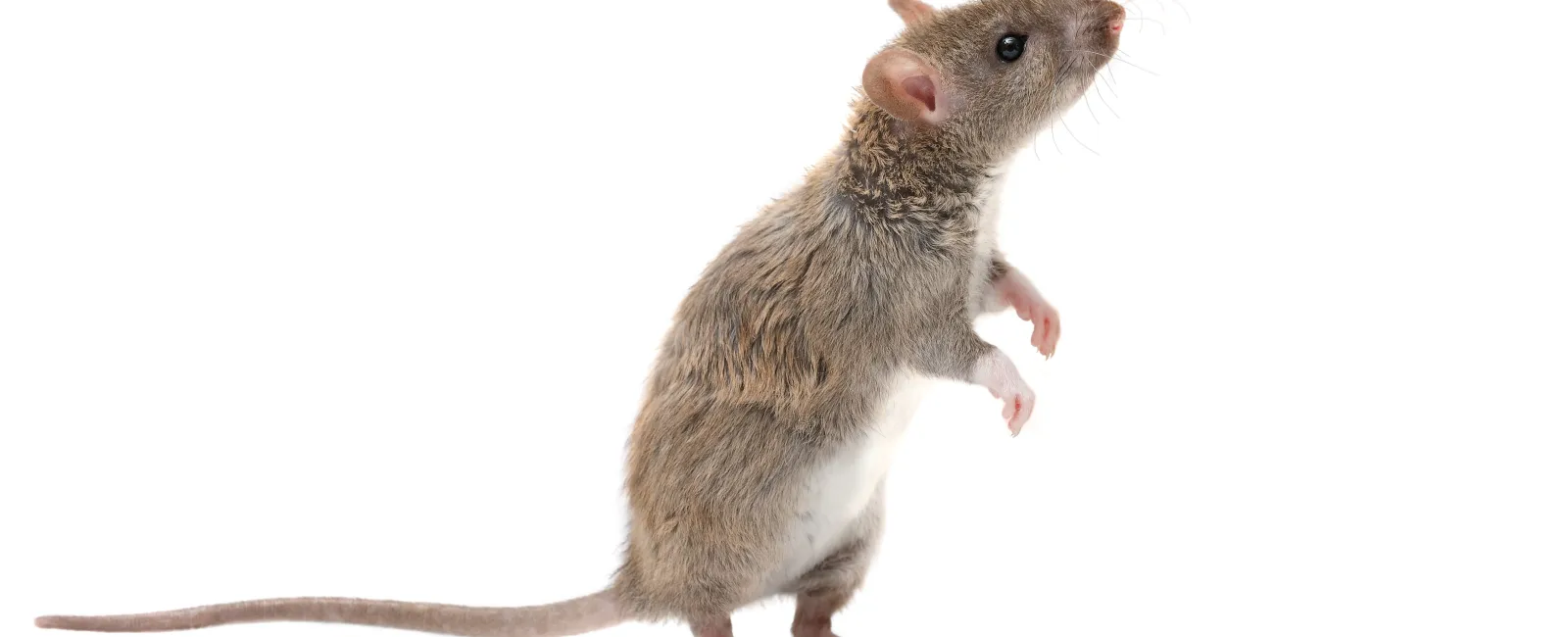
Finding rodent droppings in your home is never a pleasant surprise, but it is an important warning sign you should not ignore. Droppings provide valuable clues about what type of rodent or pest is present, how active the infestation may be, and where the pests may be hiding. Effective rodent control starts with understanding what you have discovered.
Here are the four steps every homeowner should take when they find rodent droppings or any type of pest waste indoors.
1. Identify the Type of Droppings
Before you take action, you need to identify whether the droppings belong to mice, rats, or another pest. Many types of droppings look similar, and proper identification is the foundation of successful rodent control.
Mouse droppings
Small, black, rice-shaped
Pointed at the ends
Found near food, nesting sites, and wall lines
Rat droppings
Larger, wider, and longer than mouse droppings
Often found in basements, garages, storage areas, and cluttered spaces
Bat droppings
Similar in size to mouse droppings
Contain tiny insect fragments
Found in attics, chimneys, eaves, or high roosting areas
Roach droppings
Much smaller and pepper-like
Resemble ground coffee
Found in kitchens, bathrooms, and cupboards
If you are unsure whether you are looking at rodent droppings or another type of pest waste, contact a pest control service such as Greenix for an accurate identification.
2. Check the Location of the Droppings
The location of rodent droppings can help you determine which pest is inside your home and how they are moving through the space.
Mouse droppings are commonly found:
Inside kitchen cabinets
Near stored food
Behind appliances
Around water heaters or furnaces
In attics, crawl spaces, or wall voids
Along baseboards or near small entry gaps
Rat and roach droppings may appear in many of these same areas, while bat droppings are restricted to specific roosting zones.
Because droppings from different pests can appear in overlapping locations, use a combination of size, shape, and placement to guide your identification.
3. Clean Up the Droppings Safely
Once you confirm the droppings are from rodents or another pest, proper cleanup is essential. Rodent droppings can contain bacteria and diseases, so avoid sweeping or vacuuming them without precautions. A regular vacuum can disperse harmful particles into the air.
Safer cleanup steps include:
Wearing gloves and a mask
Lightly misting droppings with disinfectant before removal
Using paper towels to pick up droppings and disposing of them in sealed bags
Thoroughly sanitizing the surrounding surfaces
Washing hands and cleaning tools afterward
Do not skip disinfecting. Even a small amount of rodent droppings can pose health risks if handled incorrectly.
4. Remove the Pests and Seal Entry Points
Cleaning up rodent droppings is only part of the solution. The next step is effective rodent control, which includes eliminating the pests and preventing them from returning.
Begin by sealing entry points such as:
Gaps under doors and around windows
Cracks in the foundation
Openings around utility lines
Gaps where siding meets the structure
Holes leading into attics or crawl spaces
Mice can fit through openings as small as a dime, so a thorough inspection is important.
Next, focus on removing the pests themselves. This may include traps, baits, targeted treatments, or full-service rodent control depending on the severity of the infestation. Each pest requires a specific method, and using the wrong approach can be ineffective.
Since identifying pest species and choosing the right treatment can be difficult, homeowners often see the best results by working with professionals. Greenix Pest Control can accurately identify the source of the rodent droppings, eliminate the infestation, and help keep rodents out for good.
