

From Joel, Resident Pest Nerd
One thing I always like to clear up with homeowners is why pests come inside in winter, because it's not for water.
Most pests aren't actively feeding or drinking during the coldest months. What they're really looking for is shelter. When temperatures drop, insects and rodents move into protected spaces where they can overwinter, enter diapause, and avoid the cold.
Basements, wall voids, crawl spaces, and utility areas give pests just enough insulation to take the edge off winter weather. Once they find a suitable home, many of them remain relatively inactive until temperatures rise again.
Moisture doesn't usually draw them inside in winter, but it absolutely determines where they settle and which pests survive long-term.
How Moisture Still Drives Winter Pest Problems
After pests make their way indoors for shelter, moisture becomes a filter. It decides:
Which areas see continued pest activity
Where infestations are most likely to flare up in spring
Some pests can overwinter in dry conditions. Others cannot survive without consistent moisture, even during diapause.
That's why, when I inspect a home in winter, I don't assume moisture caused the entry. I look at it as the reason pests are concentrating in certain areas.
Pests That Require Moisture to Survive Indoors
Not all pests are the same. Some absolutely depend on moisture to make it through winter:
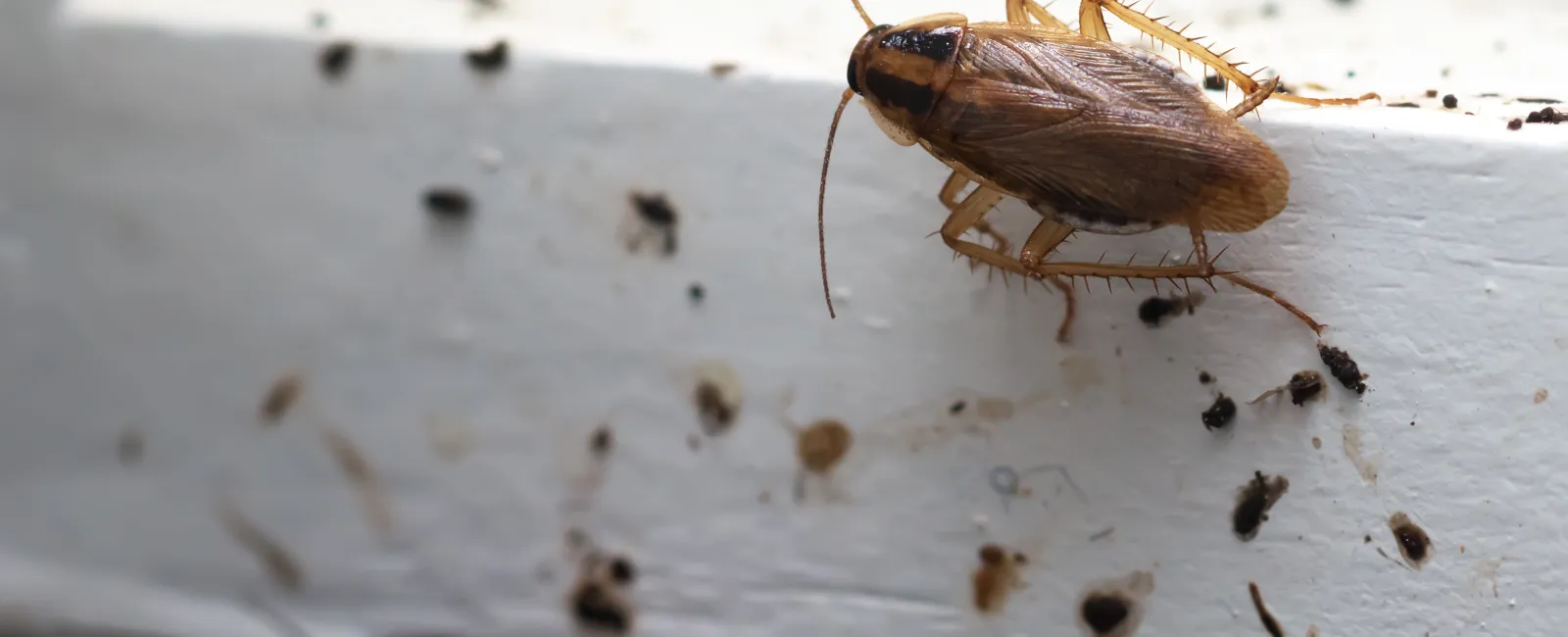
German cockroaches require high humidity to survive
German cockroaches are commonly found near leaky pipes, kitchens, and bathrooms
Their colonies often collapse quickly when moisture issues are corrected
Carpenter ants nest in damp or water-damaged wood
Carptenter ants are often linked to roof leaks, window leaks, or plumbing issues
Moisture doesn't attract them outdoors, but it allows colonies to persist indoors
Silverfish are extremely moisture-dependent
Thrive in basements, crawl spaces, and bathrooms
Silverfish will rarely survive in dry environments
Centipedes require humid conditions
Often found near sump pits, floor drains, and damp foundation walls
When I see these pests, moisture isn't just part of the picture, it's usually the root cause.
Moisture as a Predictor of Spring Pest Activity
Even if pests aren't actively feeding during winter, moisture-heavy areas act as staging grounds. Once temperatures rise, those same pests become active faster and reproduce more quickly.
Homes with unresolved moisture issues often see:
Earlier spring activity
Heavier infestations
Recurring pest problems in the same locations year after year
That's why winter inspections are so valuable. Fixing moisture issues now removes the conditions pests rely on before they ramp back up.
My Pest Nerd Takeaway
Pests come inside in winter for shelter, not water.
But moisture decides who survives, where they hide, and how bad the problem becomes later.
If you control moisture, you're not stopping winter entry, but you are preventing long-term infestations.
That's one of the biggest differences I see between homes with occasional pest sightings and homes with ongoing pest problems.
If you are seeing 1 or 2 pests around your home, you likely have a bigger problem hidden somewhere in your home.
