

Not all eight-legged visitors are created equal. While most spiders in the United States are totally harmless (some even helpful pest patrols) there are a few you definitely don't want hanging around your home.
The truth? Nearly all spiders inject venom when they bite prey, but only a handful of venomous spiders in the USA are considered medically significant to humans. If you've ever wondered which spiders found in North America you should really worry about, we've got you covered.
Let's get acquainted (from a safe distance) with the most dangerous spiders you might encounter, from the infamous brown recluse spider to the notorious black widow family.
Brown Recluse Spiders: The Reclusive Roommates You Don't Want
True to their name, brown recluse spiders prefer peace and quiet. They hide out in dark places (closets, attics, basements, storage boxes, and rodent burrows) where they're unlikely to be disturbed.
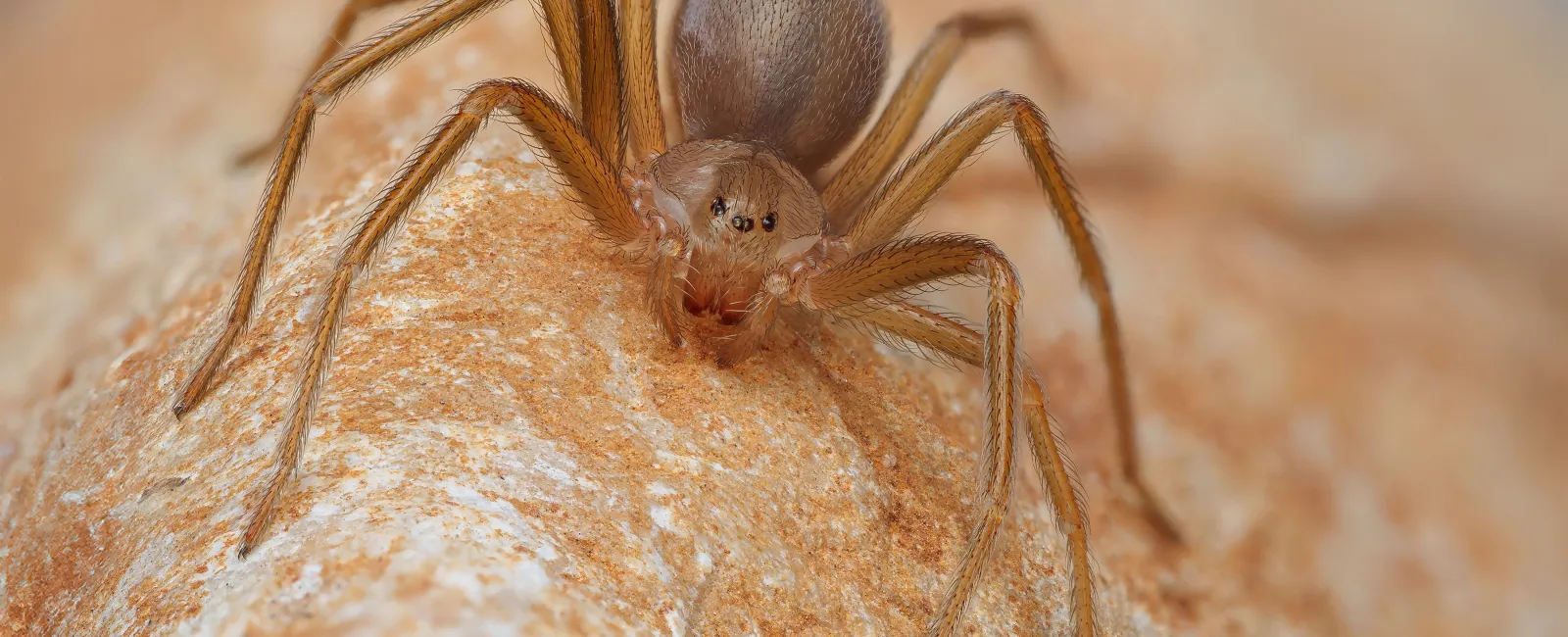
These dark brown spiders are easy to identify thanks to their violin-shaped marking on the back. They have long legs, six eyes (instead of eight), and a habit of building silken tubes or irregular webs only for shelter, not hunting.
Why the Brown Recluse Is Considered Dangerous
The recluse spider doesn't go looking for trouble. Most brown recluse bites occur when a spider feels trapped, like when someone slips on a shoe or shirt it's hiding in.
Once a recluse bites, the spider injects venom that can cause anything from mild irritation to skin necrosis. In severe cases, venom destroys skin tissue, creating a large skin ulcer at the site of the bite. It's rare, but some people experience serious complications, especially those in poor health.
While brown recluse venom can be nasty, it's rarely fatal, and human deaths are extremely rare. Still, if you think you've been bitten, clean the area, apply ice, and seek medical attention immediately.
Black Widow Spiders: America's Iconic Femme Fatale
If there's one spider that's earned its reputation, it's the black widow spider. With a sleek black body and that telltale red hourglass marking, the southern black widow, northern black widow, western black widow, and red widow spider are among the most venomous spiders in the USA.
They often build webs in dark places (woodpiles, crawl spaces, garages, or under decks) where unsuspecting hands might wander.
How a Black Widow Bite Affects Humans
A black widow bite delivers potent venom that targets nerve endings and the central nervous system. Victims can experience severe muscle pain, muscle spasms, increased blood pressure, sweating, nausea, and trouble breathing.
While that sounds terrifying, a black widow bite is rarely fatal, and human deaths are extremely rare. Most bites produce pain similar to a bee sting, but medical treatment is still essential, especially for children or those with compromised health.
Other Spiders Worth Knowing
Not all spiders in North America are out to get you, but it's worth knowing a few that can deliver an unpleasant surprise:
Brown Widow Spider: A close cousin to the black widow, recognizable by its tan coloring and orange or yellow hourglass marking. Found mostly in the southern United States, its venom is milder but still produces pain and irritation.
Yellow Sac Spider: A common culprit in spider bites that occur indoors. It hides in corners or folds of fabric and can cause red bumps and mild skin reactions when it bites.
Wolf Spider: Big, fast, and often mistaken for something more dangerous. These ground-dwelling hunters have powerful fangs and long legs, but their bites are usually no worse than a bee sting.
Farther from home, some of the most dangerous spiders include the Brazilian wandering spiders of South America and the Australian funnel web spiders, both capable of serious medical emergencies. Luckily, you won't run into them in the United States (unless you're visiting a zoo).
Why Spider Bites Happen and How to Prevent Them
Most spiders only bite in self-defense when they feel threatened. The only reason bites occur is accidental contact, like reaching into cluttered storage or slipping on an old shoe.
A few simple precautions can go a long way toward avoiding a close encounter:
Shake out clothing and shoes before wearing.
Wear long pants and gloves when working in dark places like sheds or attics.
Keep clutter under control to eliminate spider hiding spots.
Seal gaps around windows, doors, and vents where young spiders could sneak in.
If bites occur, remember: most are minor, but medical treatment should never be delayed if severe symptoms appear.
Say Goodbye to Venomous Spiders with Greenix
Whether it's a black widow, brown recluse, or brown widow spider, your home isn't the place for them to hang their webs. The vast majority of spiders don't pose a threat, but for the ones that do, the Pest Nerds at Greenix are ready to step in.
Our team identifies the species, targets hidden nests, and implements sustainable treatments that stop infestations at the source. No gimmicks, just science-backed solutions that bring you lasting relief.
Call Greenix Pest Control today or fill out our quick online form to reclaim your home from these unwanted guests. We'll handle the spiders so you can focus on living comfortably, not cautiously.
